
Series
The 2026 Iran-War Series
Nine essays and a companion, written from Abu Dhabi in March 2026, on the US–Iran war: a conflict that was structurally misread. Start here for the argument that runs through the series.
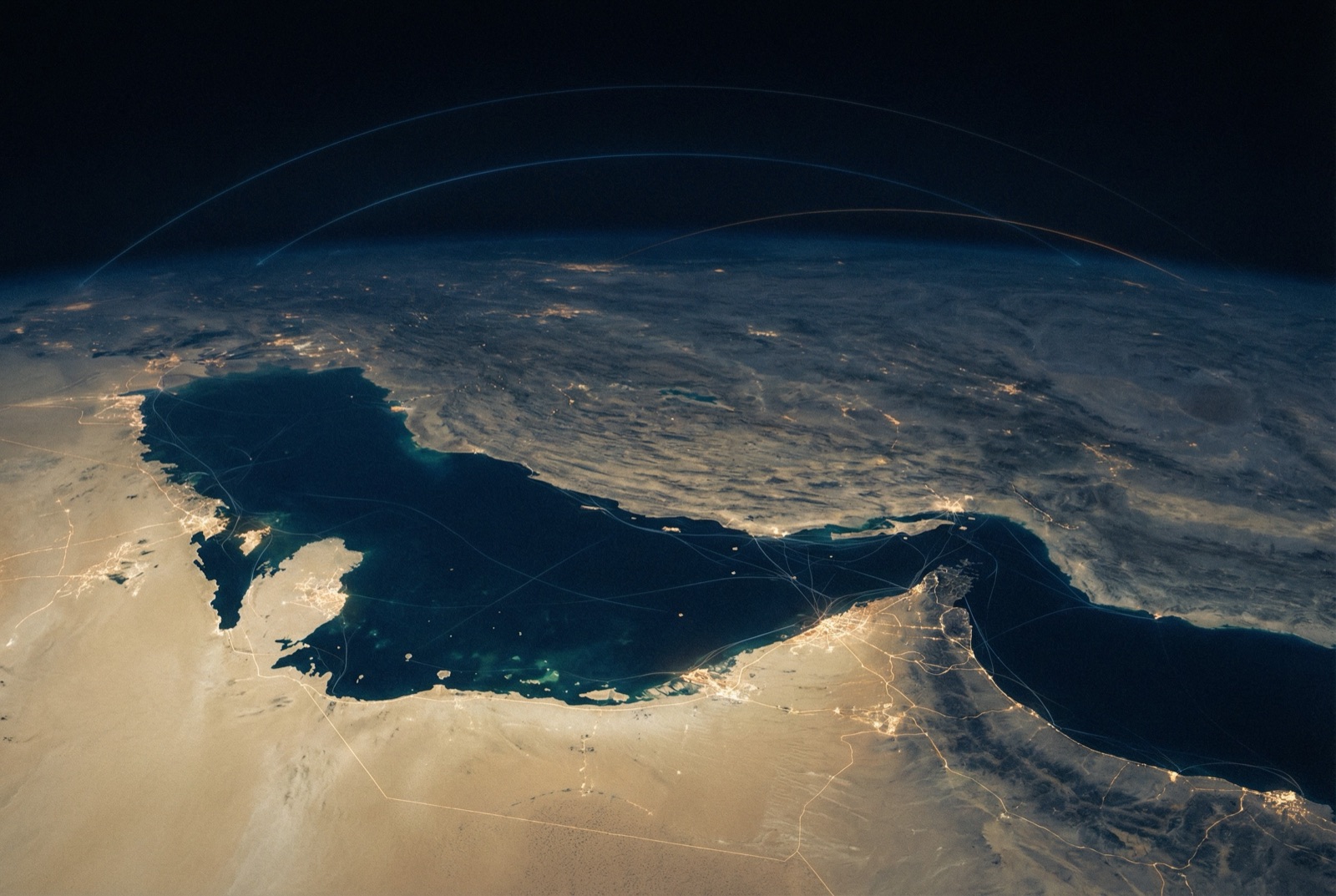
This series was not planned. The first essay was written days after a first missile alert sounded over Abu Dhabi. The rest followed because each question opened the next one.
The argument that runs through all nine pieces: the Gulf conflict has been structurally misread. The United States entered the war with overwhelming assets but without the control points to convert destruction into outcome. Iran entered it with a strategy designed around endurance. The series follows that logic from expatriate confidence to nuclear threshold risk.
The essays
- Part 1 of 9The Overlooked Risk Behind the Gulf ConflictMissiles brought geopolitics to the Gulf, but the quieter risk lies elsewhere. How shifts in expat confidence, more than physical damage, may shape the economic future of the UAE.
- Part 2 of 9The Network the UAE Already HasRebuilding confidence after the Gulf conflict calls for a trust network, not a campaign. The global network of foreign residents may be the most effective mechanism the UAE already has.
- Part 3 of 9When Strategies FailThe United States entered the war with overwhelming military power. Iran entered it with the control points that determine endurance. Why that difference decides the outcome.
- Part 4 of 9The Silent.A work of strategic fiction. What if the war has already changed the incentives that once restrained Iran's nuclear ambitions? Strategy demands that we consider what may have become thinkable.
- Part 5 of 9When Knowledge Systems CollideThe system saw everything and understood nothing that mattered. Why more data does not produce more knowledge, and why advanced inference systems stay blind to the variables that decide outcomes.
- Part 6 of 9The Last MeetingIran moved its enriched uranium months before the strikes, yet its leadership met in one place on the morning of the attack. This essay asks whether that was a failure or a decision.
- Part 7 of 9What the War ProducesRead from inside the logic of the Iranian regime, the Gulf war produces not a peace deal but a new architecture of power, in which the United States loses the permission to turn supremacy into order.
- Part 8 of 9The Art of the DealDonald Trump's own dealmaking principles applied to the US–Iran war of 2026. A deal is only as strong as the position behind it, and overwhelming power can destroy its own advantage.
- Part 9 of 9The Last CheckThe concluding essay of the 2026 Iran-War Series: what remains when every conventional option is exhausted and the outcome can no longer be calculated. Where analysis ends, decision begins.
- Companion essayThe De-Escalation ParadoxEnding a war is not the same as escaping it. Drawing on Schelling and Kahn, why each rational step up makes stepping back harder, and why the exit may be the most dangerous phase.